Images ©

Conrad Koslowsky Architects
2023Lighthouse Children's Home for Private, Sutton
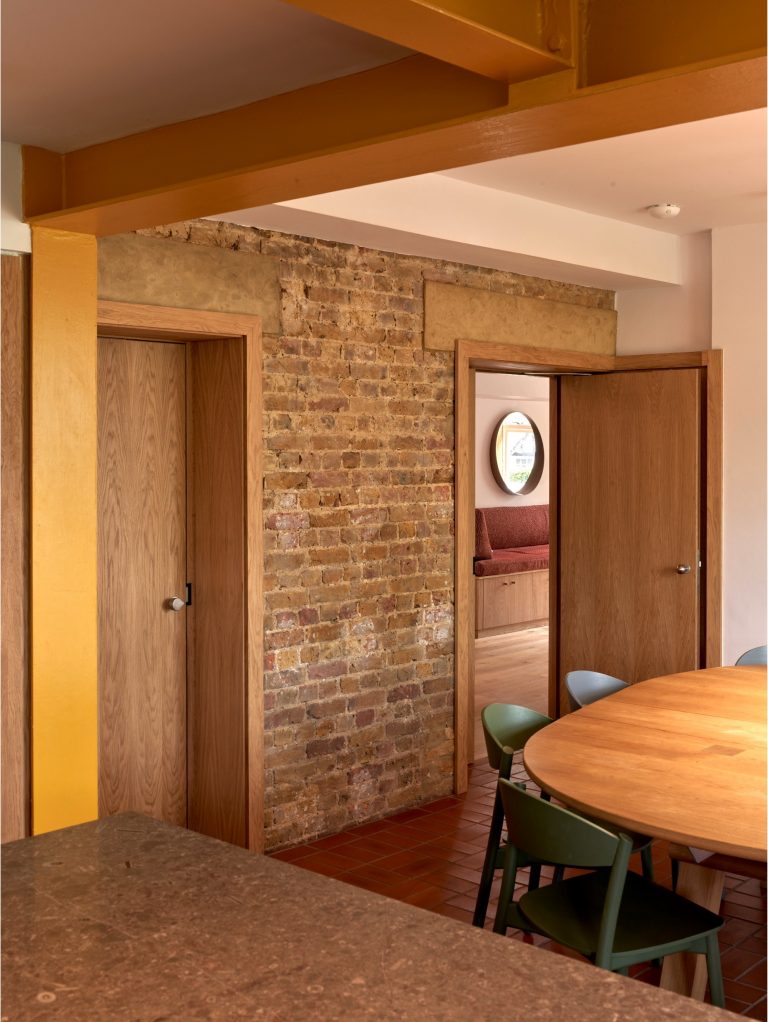
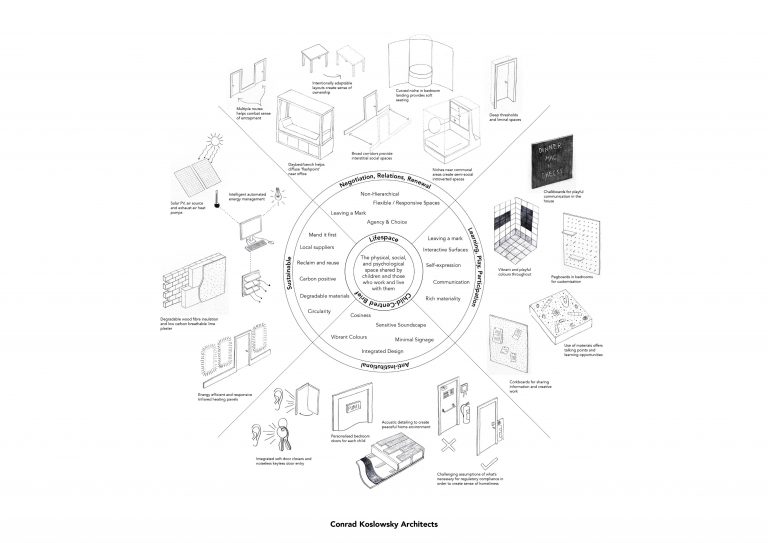
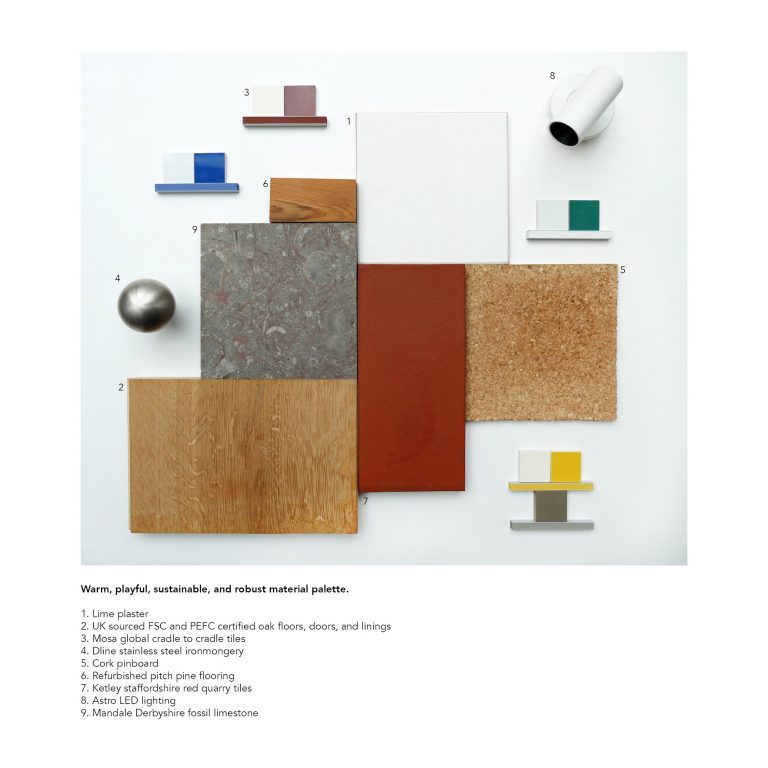
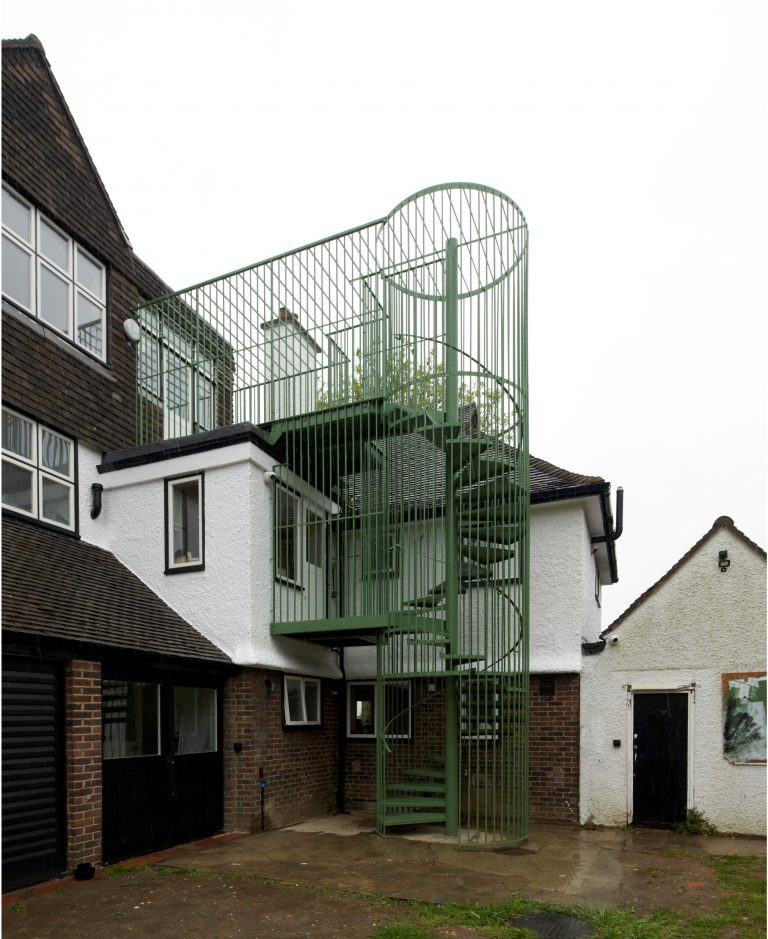
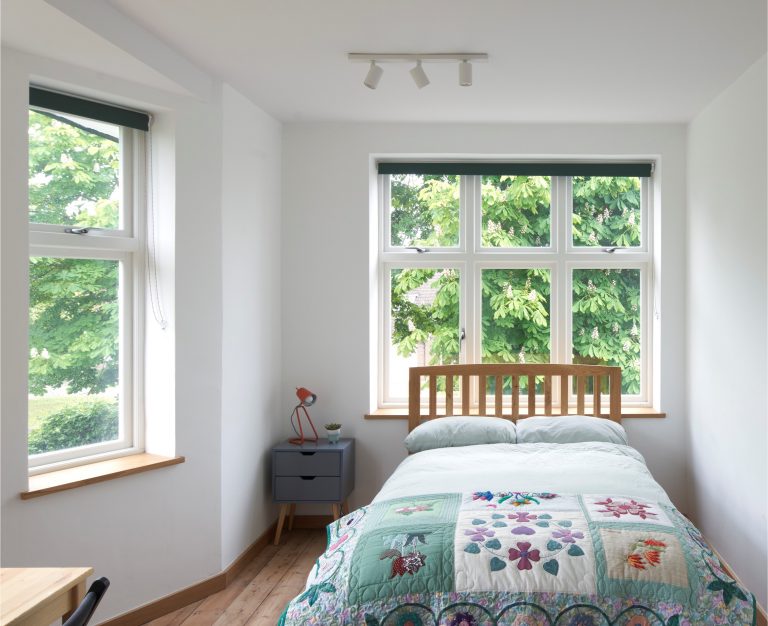
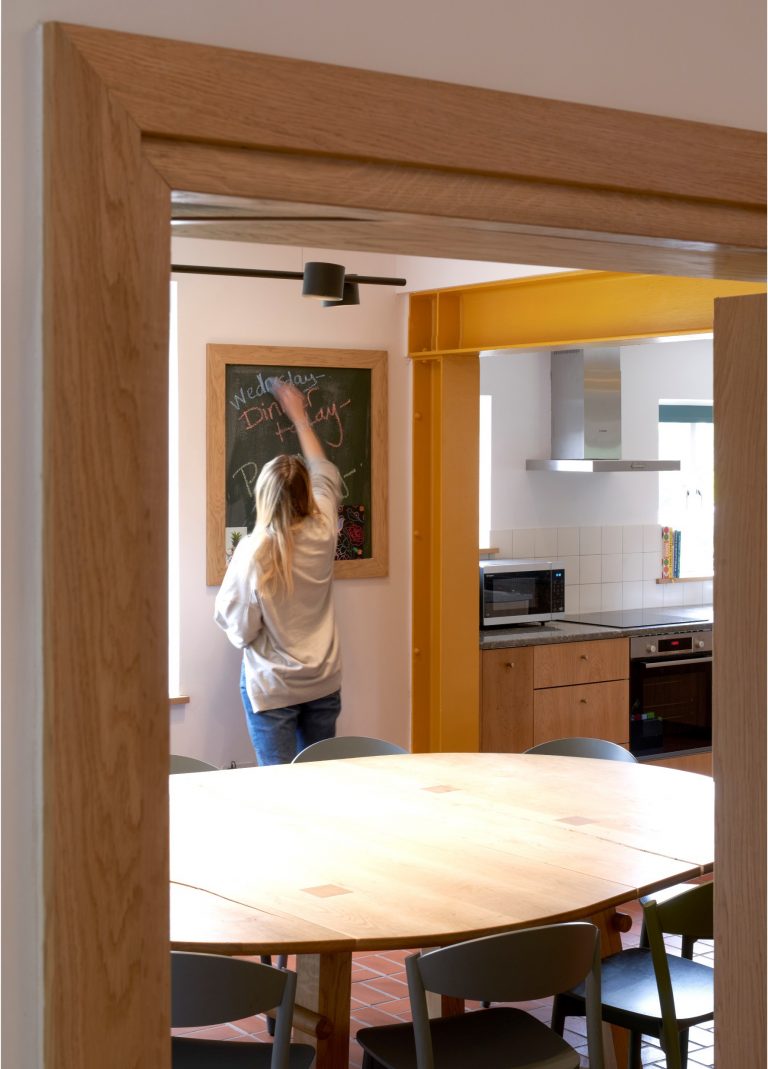
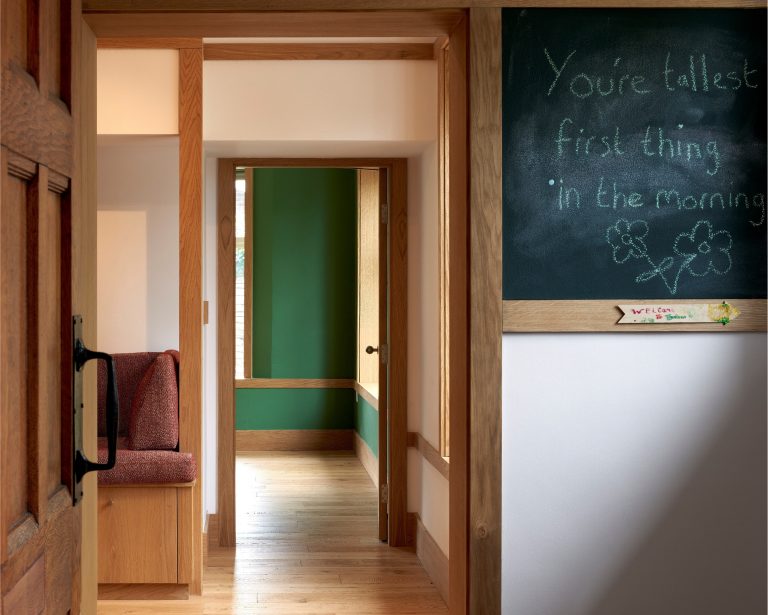
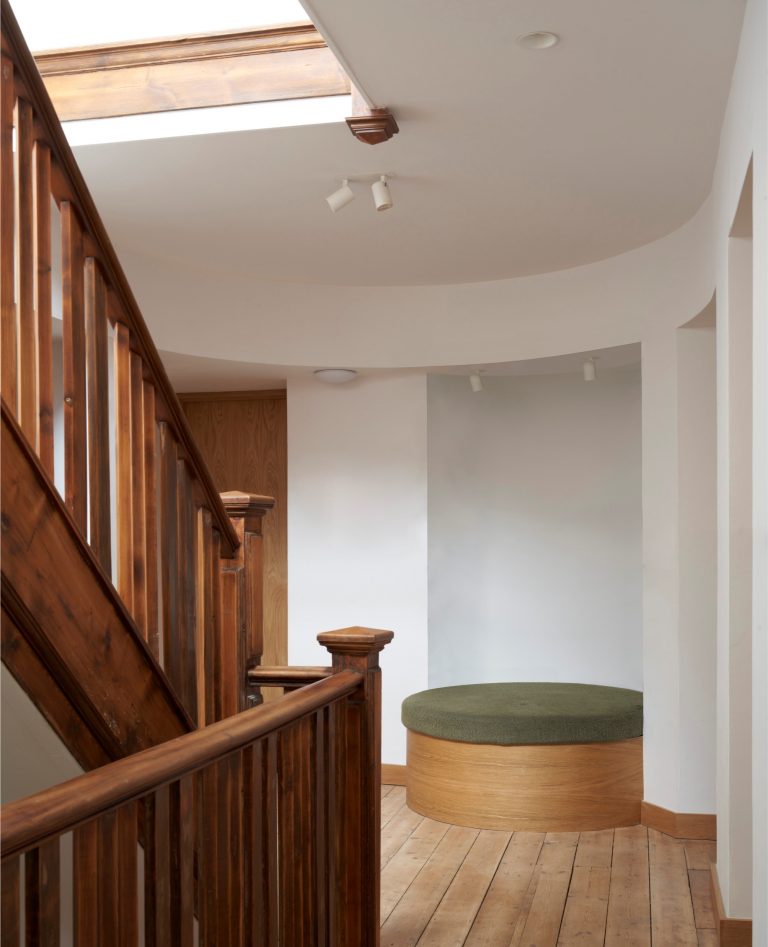
The client and the architect embarked on this journey with neither a site nor a brief. The client had a clear mission to redefine the nature of a children’s care home. “My house is my refuge, an emotional piece of architecture, not a cold piece of convenience.” Luis Barragan Conrad Koslowsky was invited by the Lighthouse Pedagogy Trust to help them find a site and create a home integrated within a safe neighbourhood. The building would play a crucial role in improving the educational outcomes and future prosperity for the children it sheltered. The alternative for these young people in need? An institutionalised existence, swept to the margins of society devoid of community or hope, perpetually facing threats of homelessness, unemployment, mental health difficulties and criminality. Architectural resourcefulness and ingenuity transformed these critical and overwhelming pressures into opportunities. Everything has been carefully designed to improve the welfare, safety, comfort, health, self-esteem and growth of its occupants. Each intervention is exhaustively researched and rigorously detailed to create something truly beautiful and harmonious. The resulting sense is that joy and compassion have triumphed over the cruelty of cold convenience. The lives this building touches are transformed by its sympathy, its comfort, and its restorative power. Throughout every aspect of this project, client and architect fostered a culture of generosity and empathy. A derelict building saved and revived. Prioritising salvaged, regenerative, low-carbon materials, all precisely assembled without extravagance. Aesthetic coherence unites the spaces, setting the scene for stories of hope and redemption to unfold. The building’s revival prophetic of its future purpose. For the first time this year the Stephen Lawrence Prize mandated eligibility criteria that the lead project architect is early in their career. Conrad made the resources available to him stretch far beyond what seemed achievable, it is a genuinely remarkable accomplishment. Matthew Goldschmied September 2023
“Children’s homes are a kind of architecture that must foster both a sense of development as well as of stability. To do this, I imagined the building as a character – just like the children and carers who live inside it. This helped conceptualise the home as a constantly evolving, autonomous space, rather than something stagnant and institutional.”
Conrad Koslowsky Architects